
স্থায়িত্ব হোটেল ও রিয়েল এস্টেট শিল্পের মধ্যে একটি অগ্রাধিকার হয়ে উঠছে, এবং এই প্রেক্ষিতে বৈদ্যুতিক গল্ফ কার্টগুলি দ্রুত রিসর্ট, হোটেল, বাসস্থান সম্প্রদায় এবং বৃহৎ ব্যক্তিগত সম্পত্তির জন্য পছন্দনীয় পরিবহন সমাধান হিসেবে উত্থিত হচ্ছে। একসময় মূলত গল্ফ কোর্সে ব্যবহৃত হলেও এই যানগুলি এখন আধুনিক গন্তব্যের মধ্যে মানুষের চলাচলের পদ্ধতিকে রূপান্তরিত করছে।
লাক্সারি বিচফ্রন্ট রিসোর্ট থেকে শুরু করে গেটেড কমিউনিটি এবং অবসর গ্রামগুলিতে, ইলেকট্রিক গল্ফ কার্টগুলি এখন একটি সাধারণ দৃশ্য হয়ে উঠছে। শিল্প পর্যবেক্ষকরা লক্ষ্য করেছেন যে সম্পত্তি অপারেটররা অতিথিদের অভিজ্ঞতা উন্নত করতে, অপারেশন খরচ কমাতে এবং পরিবেশগত লক্ষ্য সমর্থন করতে ঐতিহ্যবাহী গ্যাসোলিন-চালিত ইউটিলিটি যানবাহনগুলিকে ইলেকট্রিক বিকল্পগুলি দিয়ে প্রতিস্থাপন করছেন।

১. পরিষ্কার এবং আরও টেকসই
ইলেকট্রিক গল্ফ কার্টগুলির সবচেয়ে বড় সুবিধাগুলির মধ্যে একটি হল এদের শূন্য এক্সহস্ট নির্গমন। যেসব রিসোর্ট এবং কমিউনিটি তাদের কার্বন ফুটপ্রিন্ট কমাতে চায়, তারা ইলেকট্রিক যানবাহনকে আরও সবুজ অপারেশনের দিকে একটি ব্যবহারিক পদক্ষেপ হিসেবে দেখছে।
অনেক হসপিটালিটি ব্র্যান্ড টেকসইতার উদ্যোগ চালু করেছে, এবং ইলেকট্রিক পরিবহন সেই প্রতিশ্রুতিগুলির সঙ্গে স্বাভাবিকভাবে সামঞ্জস্যপূর্ণ।
২. শান্ত অতিথি অভিজ্ঞতা
গ্যাসোলিন চালিত যানবাহনের বিপরীতে, ইলেকট্রিক গল্ফ কার্টগুলি নীরবে কাজ করে। এটি বিশেষভাবে হোটেল, রিসোর্ট এবং আবাসিক সম্প্রদায়গুলিতে মূল্যবান, যেখানে শব্দ হ্রাস একটি আরও শিথিল পরিবেশ তৈরি করে।
অতিথিরা ইঞ্জিনের শব্দের বিঘ্ন ছাড়াই শান্তিপূর্ণ সকাল, দৃশ্যমান পথ এবং সন্ধ্যার ভ্রমণ উপভোগ করতে পারেন।
৩. কম অপারেটিং খরচ
ইলেকট্রিক গল্ফ কার্টগুলির সাধারণত গ্যাসোলিন চালিত যানবাহনের তুলনায় কম চলমান অংশ থাকে, যা রক্ষণাবেক্ষণের প্রয়োজনীয়তা কমাতে পারে।
অপারেটররা জ্বালানি ব্যয়ের তুলনায় কম শক্তি খরচ থেকেও উপকৃত হন। সময়ের সাথে সাথে, বড় ফ্লিটগুলি দৈনিক পরিবহন অপারেশনে উল্লেখযোগ্য সঞ্চয় অর্জন করতে পারে।
৪. অতিথি ও বাসিন্দাদের জন্য উন্নত গতিশীলতা
আধুনিক রিসোর্ট এবং সম্প্রদায়গুলি প্রায়শই বৃহৎ এলাকা জুড়ে বিস্তৃত থাকে। ইলেকট্রিক গল্ফ কার্টগুলি নিম্নলিখিতগুলির জন্য সুবিধাজনক পরিবহন সরবরাহ করে:
ভিলা, রেস্টুরেন্ট, স্বিমিং পুল এবং সমুদ্রসৈকতের মধ্যে যাতায়াতকারী অতিথিরা
ক্লাবহাউস এবং বিনোদনমূলক সুবিধাগুলিতে যাওয়া বাসিন্দারা
রক্ষণাবেক্ষণ এবং হাউসকিপিং দায়িত্ব পালনকারী কর্মীরা
সম্প্রদায়ের রাস্তায় নিরাপত্তা দলগুলির পাহারা
যানবাহনগুলি বড় আকারের, কম দক্ষ পরিবহন বিকল্পগুলির উপর নির্ভরশীলতা কমিয়ে অ্যাক্সেসিবিলিটি উন্নত করে।
আজকের ইলেকট্রিক গল্ফ কার্টগুলি আগের প্রজন্মের তুলনায় অনেক বেশি উন্নত। অনেক মডেলে এখন নিম্নলিখিত বৈশিষ্ট্য রয়েছে:
দীর্ঘ-পরিসরের লিথিয়াম ব্যাটারি
ত্বরিত চার্জিং ক্ষমতা
এলিডি আলোকিত ব্যবস্থা
টাচস্ক্রিন ডিসপ্লে
ব্যাকআপ ক্যামেরা
ব্লুটুথ এবং কারপ্লে সংযোগ
কাস্টম সিটিং কনফিগারেশন
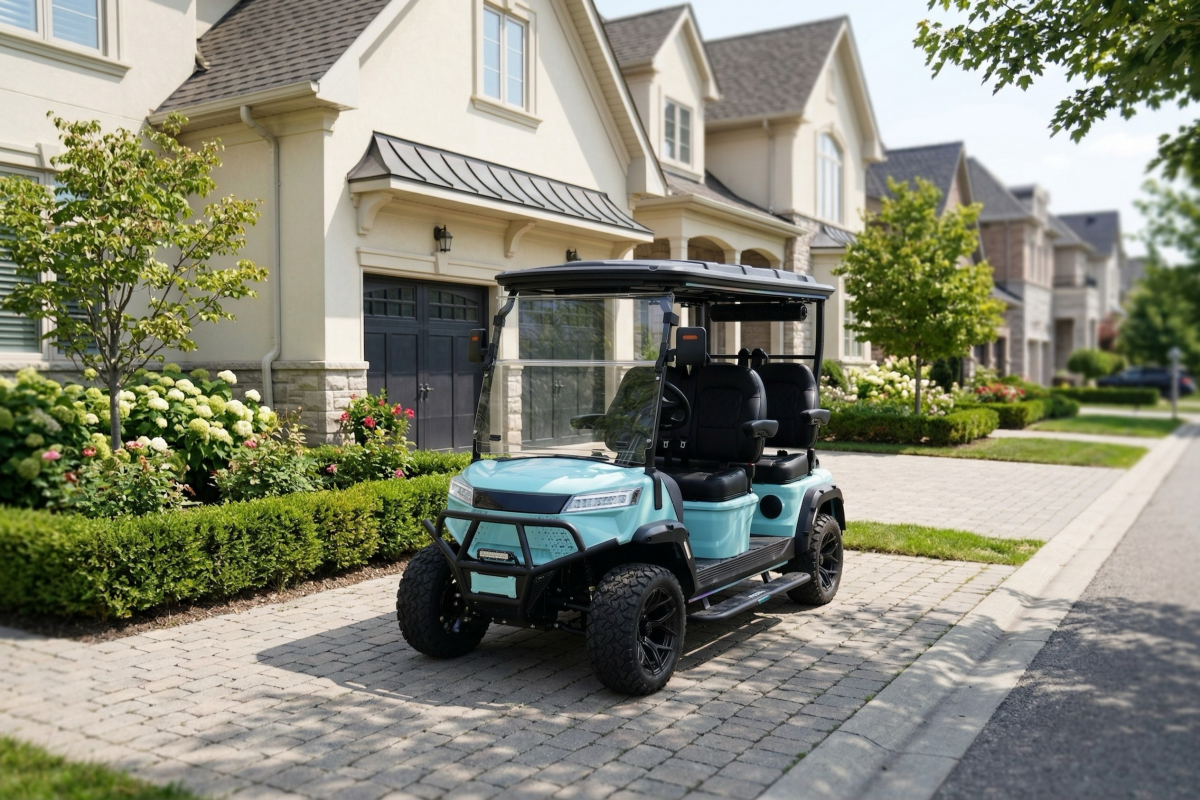
এই আধুনিকীকরণগুলি ইলেকট্রিক গল্ফ কার্টগুলিকে শুধুমাত্র কার্যকরী ব্যবহারের জন্যই নয়, বরং উচ্চমানের অতিথি পরিবহনের জন্যও উপযুক্ত করে তোলে।
অনেক অপারেটর বিশেষভাবে নির্বাচন করছেন লিথিয়াম-চালিত গল্ফ কার্ট কারণ এগুলো নিম্নলিখিত সুবিধা প্রদান করে:
|
বৈশিষ্ট্য |
লিথিয়াম ব্যাটারির সুবিধা |
|---|---|
|
ড্রাইভিং পরিসর |
সর্বোচ্চ ১০০–১৫০ কিমি |
|
চার্জিং সময় |
৪–৬ ঘণ্টা |
|
রক্ষণাবেক্ষণ |
প্রায় রক্ষণাবেক্ষণ-মুক্ত |
|
জীবনকাল |
8–10 বছর |
|
ওজন |
লেড-অ্যাসিডের তুলনায় অনেক হালকা |
উচ্চ ব্যবহারযোগ্য রিসর্ট ফ্লিটের জন্য, এই সুবিধাগুলো কার্যক্রমের দক্ষতা উল্লেখযোগ্যভাবে উন্নত করতে পারে।
বসতি সম্প্রদায়গুলোও একটি ব্যবহারিক প্রতিবেশী পরিবহন সমাধান হিসেবে বৈদ্যুতিক গল্ফ কার্ট গ্রহণ করছে। বাসিন্দারা সম্প্রদায়ের ভেতরে ছোটো যাত্রা, সামাজিক ক্রিয়াকলাপ এবং দৈনিক কাজের জন্য এগুলো ব্যবহার করেন।
যখন সম্প্রদায়গুলো টেকসই উন্নয়ন এবং জীবনের মানের দিকে মনোযোগ দিচ্ছে, তখন নিঃশব্দ বৈদ্যুতিক গতিশীলতা ক্রমশ আকর্ষক হয়ে উঠছে।
বাজার বিশ্লেষকরা আশা করছেন যে, রিসর্ট, হোটেল এবং সম্প্রদায়গুলো যখন পরিষ্কার পরিবহন অবকাঠামোয় বিনিয়োগ করবে, তখন বৈদ্যুতিক গল্ফ কার্টের চাহিদা ক্রমাগত বৃদ্ধি পাবে।
ব্যাটারি প্রযুক্তি, যানবাহনের ডিজাইন এবং চার্জিং সিস্টেমের উন্নতির সাথে সাথে বৈদ্যুতিক গল্ফ কার্টগুলি বিশেষায়িত যানবাহন থেকে আধুনিক অতিথি সেবা এবং সম্প্রদায়ের চলাচলের একটি অপরিহার্য অংশে পরিণত হচ্ছে।
লেক্সসং সম্পর্কে
লেক্সসং উচ্চ-কার্যক্ষমতাসম্পন্ন বৈদ্যুতিক গল্ফ কার্ট তৈরির ক্ষেত্রে বিশেষজ্ঞ, যা উন্নত ৭২ ভোল্ট এসি ড্রাইভ সিস্টেম এবং লিথিয়াম ব্যাটারি প্রযুক্তি গড়ে তুলেছি। এর চেয়ে বেশি ১৬ বছরের অভিজ্ঞতা এবং বিশ্বব্যাপী রপ্তানি করে ৬০টির বেশি দেশে রপ্তানি করা হয় সংস্থাটি বিশ্বজুড়ে রিসর্ট, হোটেল, সম্প্রদায়, গল্ফ কোর্স এবং বাণিজ্যিক অপারেটরদের জন্য কাস্টমাইজড পরিবহন সমাধান প্রদান করে।
টেকসই চলাচলের চাহিদা বৃদ্ধির সাথে সাথে বৈদ্যুতিক গল্ফ কার্টগুলি শুধু সুবিধার বিষয় নয়—এগুলি দক্ষতা, অতিথি সন্তুষ্টি এবং পরিবেশগত দায়িত্বের ক্ষেত্রে কৌশলগত বিনিয়োগ হয়ে উঠছে।
 EN
EN
 AR
AR
 HR
HR
 CS
CS
 DA
DA
 NL
NL
 FI
FI FR
FR
 DE
DE EL
EL
 IT
IT JA
JA
 KO
KO
 NO
NO PL
PL PT
PT RO
RO
 RU
RU
 ES
ES
 SV
SV
 IW
IW
 ID
ID
 LV
LV
 LT
LT
 SR
SR
 SK
SK
 SL
SL
 UK
UK SQ
SQ
 ET
ET
 HU
HU
 TH
TH
 TR
TR
 FA
FA
 AF
AF
 GA
GA
 MK
MK
 KA
KA
 UR
UR
 BN
BN
